
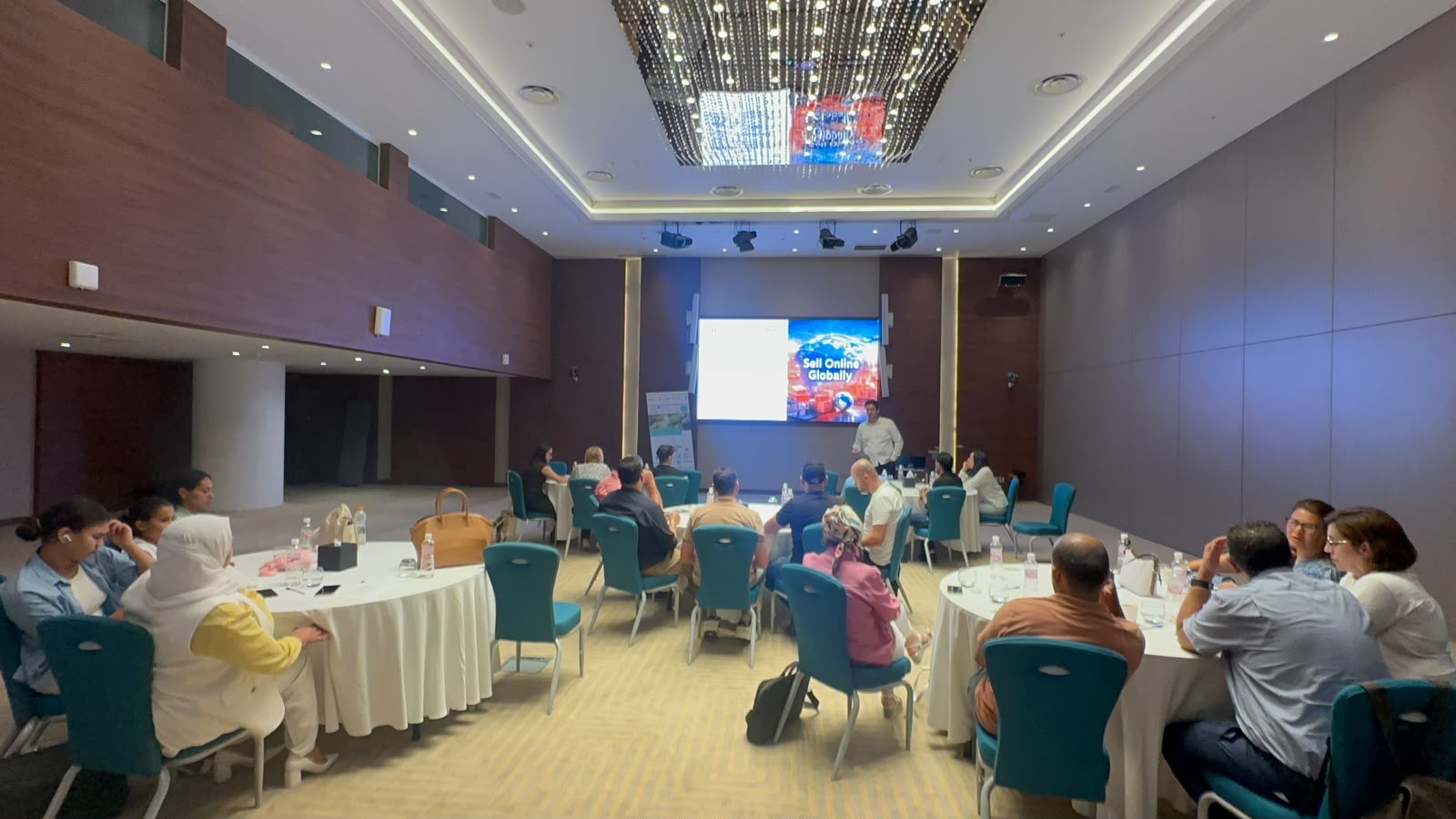
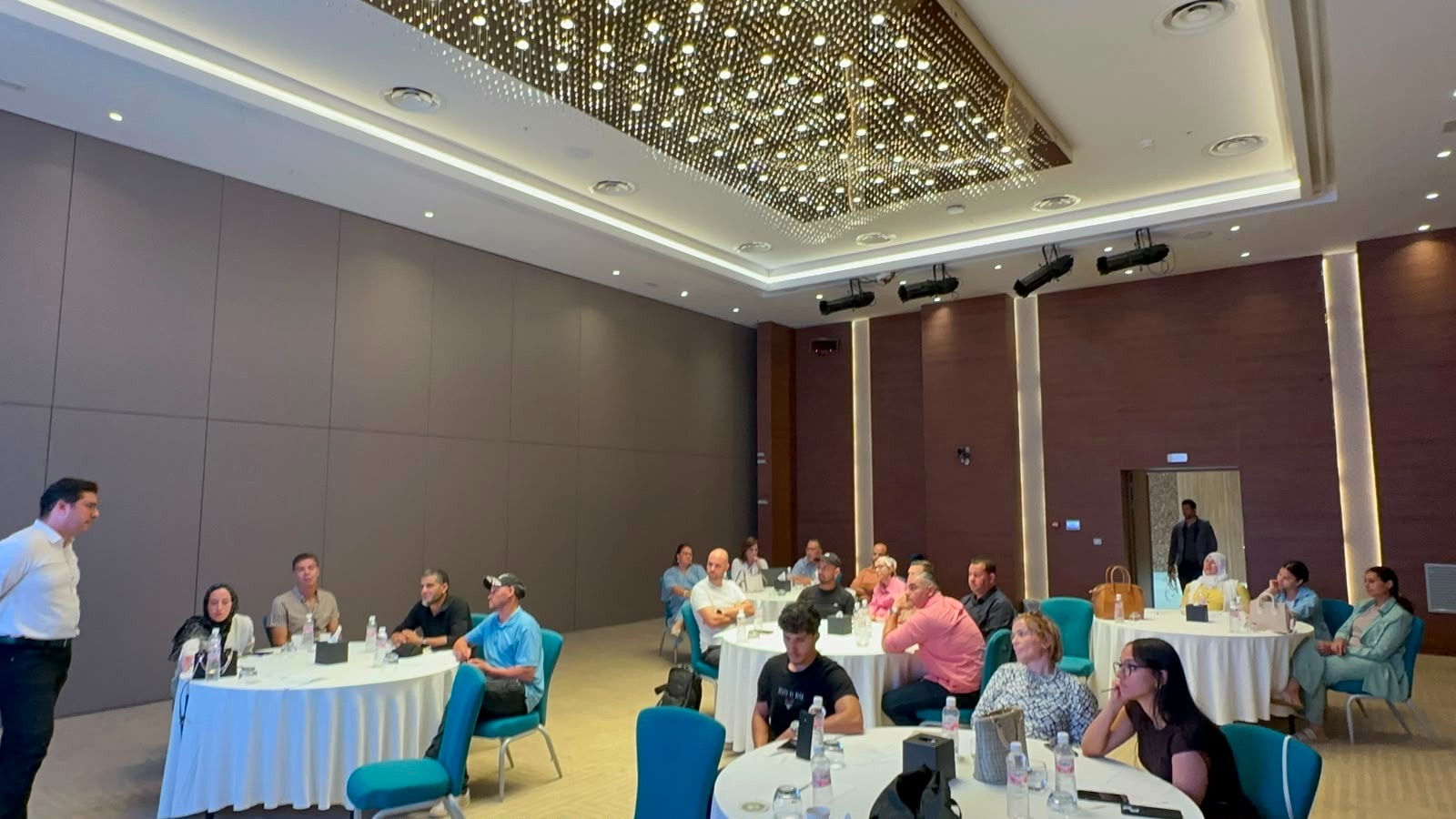
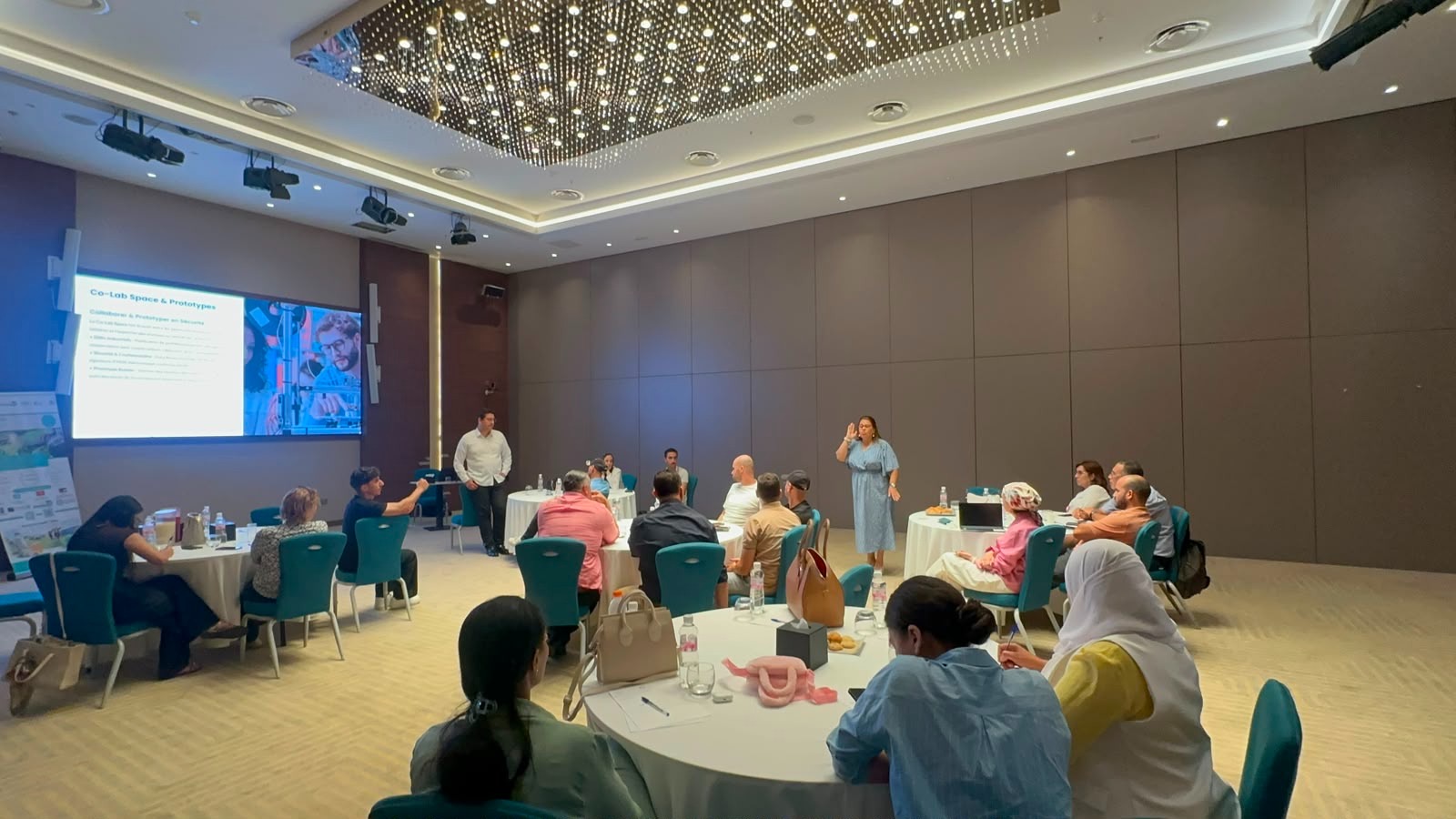
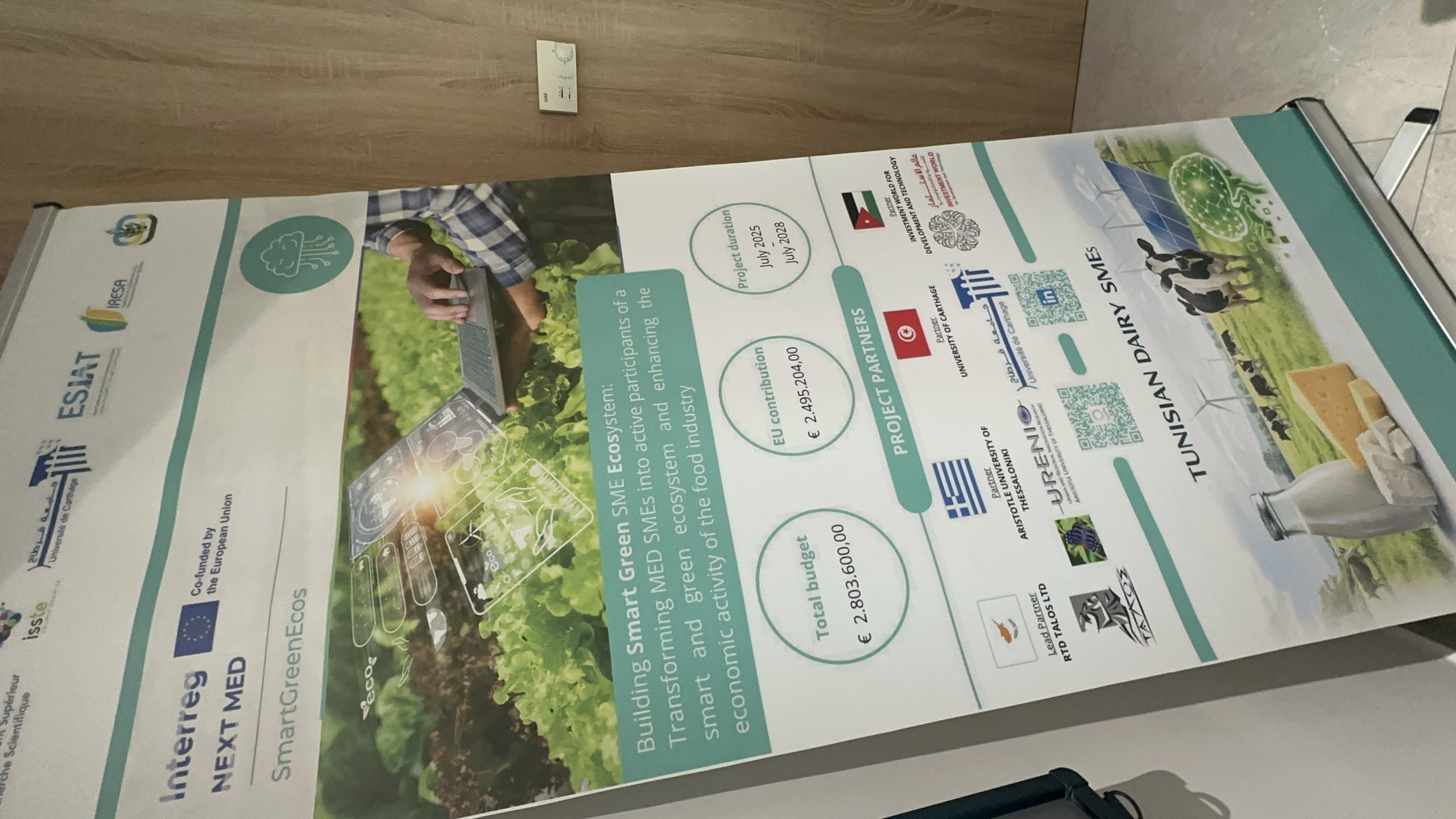
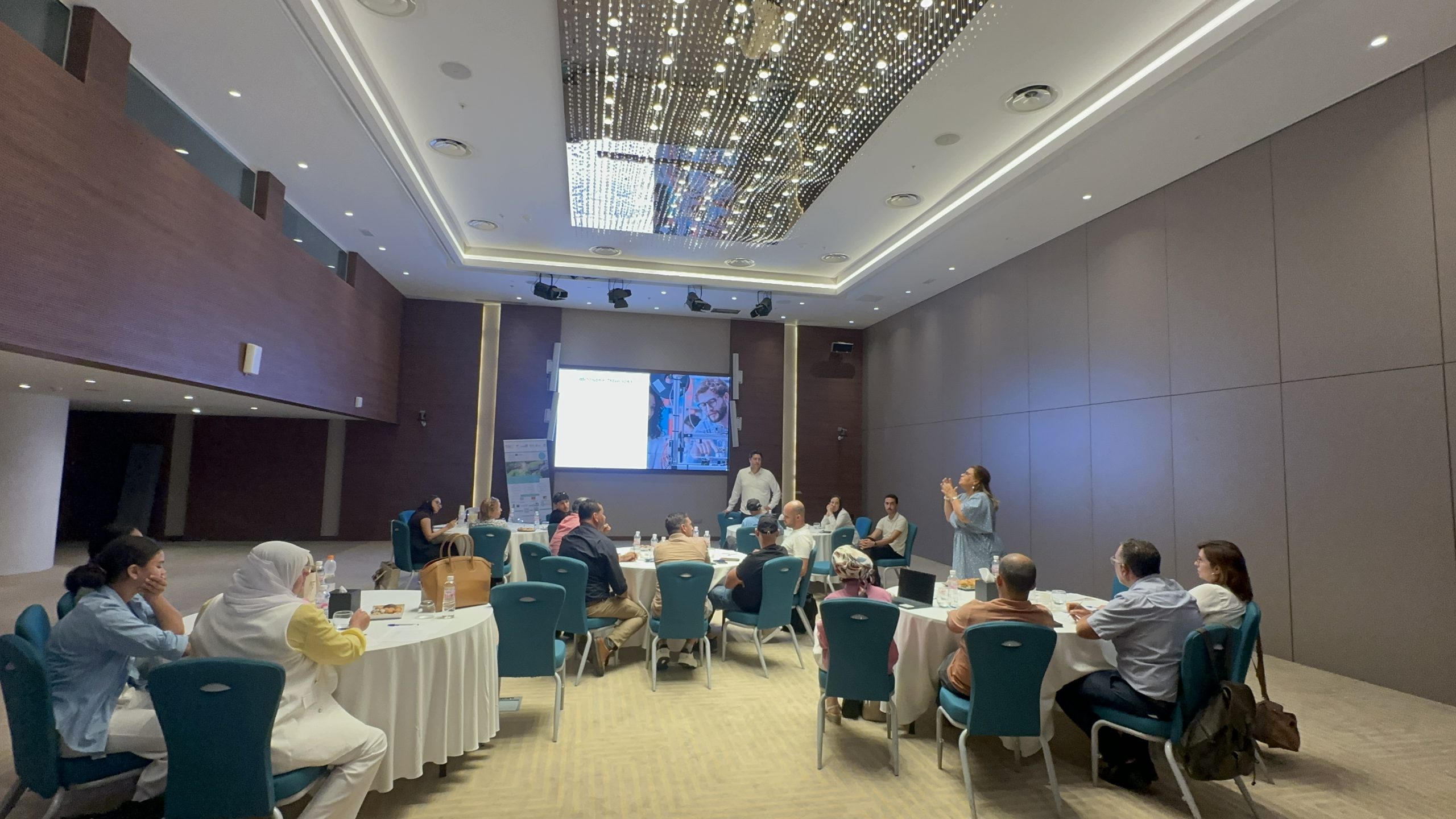
At the heart of the Mediterranean agri-food landscape, traditional craftsmanship is now meeting cutting-edge technological innovation. On July 29, 2026, at the Royal ASBU Hotel in Centre Urbain Nord, a panel of 23 participants, including cheesemakers and institutional and technical partners (Biware, SIRAT, UCAR, ISSTE/UCAR, ESIAT/UCAR), took part in a co-design workshop organized as part of the SmartGreenEcos project, funded by the European Union’s Interreg NEXT MED 2021–2027 programme.
The gathering marked a strategic turning point by providing small and medium-sized enterprises (SMEs) with the tools they need to address the dual challenge of the green transition and digital modernization. A strong consensus emerged from the discussions: genuine industrial transformation begins with structured and continuous collaboration among peers. Cheesemakers expressed their willingness to move away from silo-based operations and establish a permanent network, in direct connection with research institutes and technical experts.
“SmartGreenEcos aims to deploy high-impact digital solutions that are accessible and specifically tailored to the realities on the ground.”
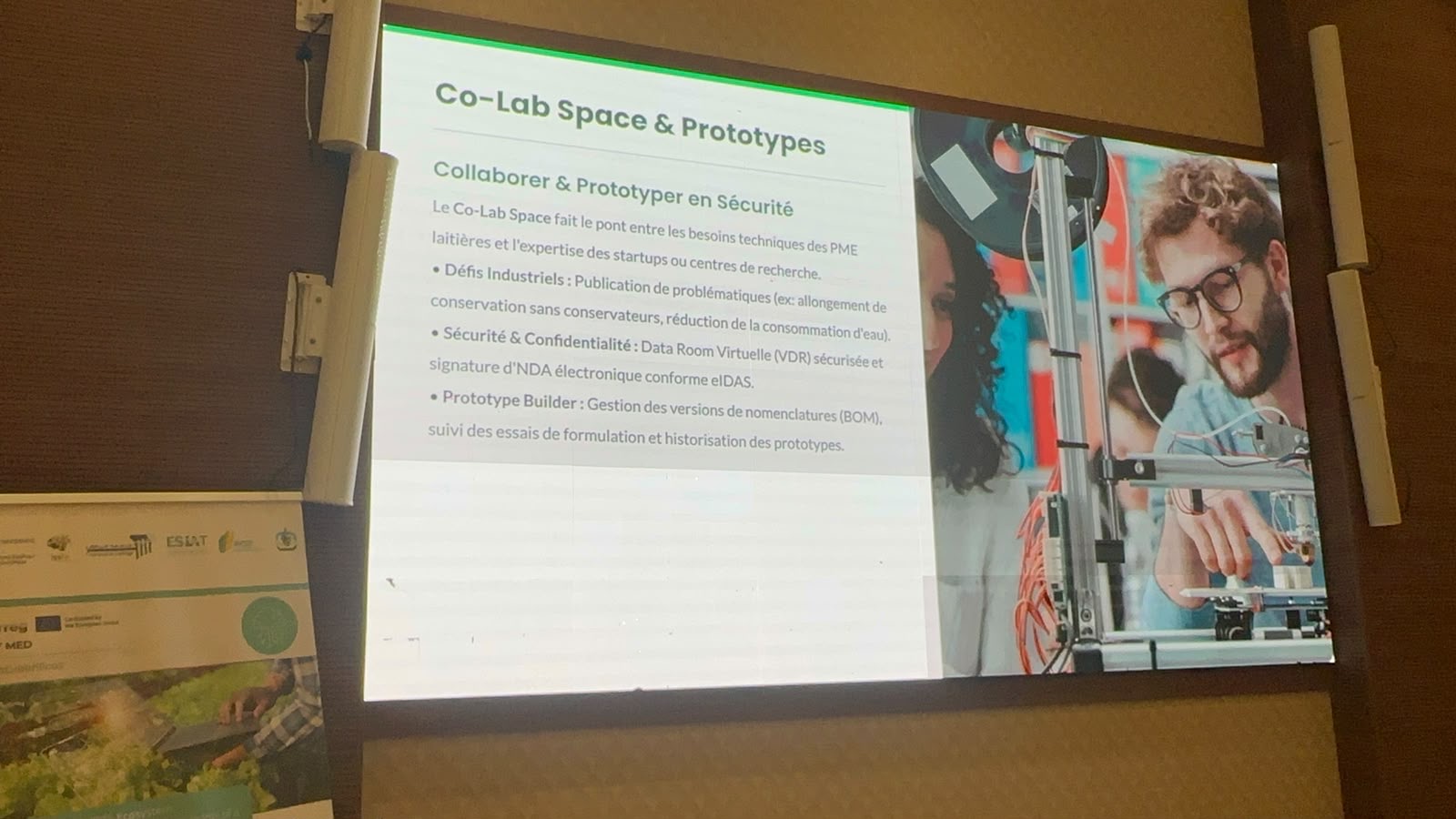
Four complementary digital platforms were presented and tested with producers.
The first focuses on business scoring and ESG benchmarking. SMEs expressed a strong preference for a forecasting horizon of at least six months, while also calling for human support to address their limited expertise in data collection.
The second platform, dedicated to interactive and certified training—including cheese aging, the circular economy, and eco-friendly packaging—received particularly enthusiastic feedback.
The third platform, focusing on group purchasing and export logistics, faces a purchasing-power gap between large industrial companies and smaller businesses. This highlights the need to segment offers according to company size.
Finally, the quality control and circular economy platform, featuring its “Circular Matcher,” has already helped improve access to higher-quality milk and enhance the value of by-products such as whey, turning waste into valuable economic resources.
While the ambition to accelerate digitalization is clear, the workshop highlighted an operational reality: most local agri-food SMEs currently remain limited to basic digital tools, mainly accounting software.
Five strategic priorities were therefore identified for the next phase of the project:
By combining intuitive interfaces with personalized human support, SmartGreenEcos is paving the way towards a resilient, green, and sustainably inclusive Mediterranean agri-food sector—one where even the smallest artisanal businesses can assess their performance, adopt good practices, and thrive in an increasingly demanding market.
SmartGreenEcos is co-funded by the European Union under the Interreg NEXT MED 2021–2027 programme.
Don’t miss our future updates! Get Subscribed Today!
©2024. University of Carthage. All Rights Reserved.
Developed by Kawther JLASSI under the direction of Mr Mongi BESBES
